

Renewable Aviation Fuel Market to Reach US$53.8 Bn by 2032 Driven by Emissions Mandates & Airline Decarbonization Goals
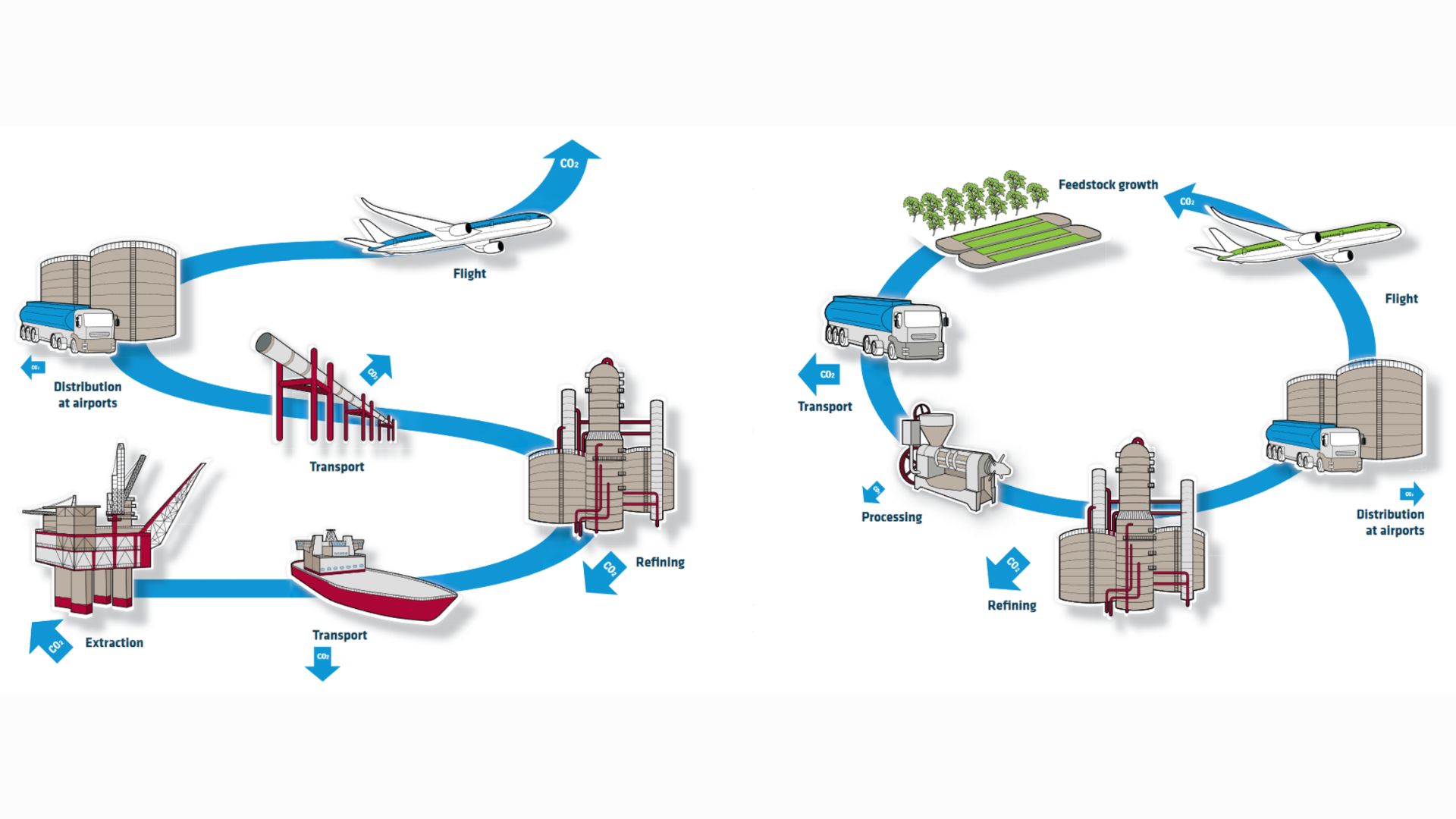
Renewable Aviation Fuel Market
Europe dominates with around 41% of the renewable aviation fuel market share, with Germany and the Nordics leading PtL SAF programs
LONDON, LONDON, UNITED KINGDOM, January 27, 2026 /EINPresswire.com/ -- The renewable aviation fuel market is rapidly emerging as a cornerstone of the global aviation industry’s sustainability transformation. With air travel demand rebounding and environmental regulations tightening worldwide, airlines and fuel producers are accelerating the shift toward low-carbon alternatives. According to Persistence Market Research, the global renewable aviation fuel market is likely to be valued at US$2.1 billion in 2025 and is estimated to reach US$53.8 billion by 2032, growing at a staggering CAGR of 47.8% during the forecast period 2025–2032. This exceptional growth is driven by national emissions mandates, aggressive decarbonization targets, and surging airline demand for sustainable fuel solutions.
Get Your FREE Sample Report Instantly – Click Now: https://www.persistencemarketresearch.com/samples/35925
Aviation’s Urgent Need for Carbon Reduction
The aviation sector is under intense pressure to cut greenhouse gas emissions, as it accounts for a significant share of global carbon output. Governments and international aviation bodies have introduced strict emissions reduction frameworks, pushing airlines to adopt sustainable aviation fuel alternatives. Renewable aviation fuel offers a direct pathway to lowering lifecycle emissions without requiring major aircraft modifications. As net-zero commitments become mainstream across the aviation industry, renewable fuels are gaining recognition as the most immediate and scalable solution to reduce environmental impact while maintaining operational efficiency.
Policy Mandates and Regulatory Support Fueling Growth
National and regional governments are implementing blending mandates and incentive programs to accelerate renewable aviation fuel production and consumption. The European Union’s ReFuelEU Aviation initiative and similar mandates in North America are requiring minimum shares of sustainable fuel in aviation operations. Tax credits, grants, and investment subsidies are encouraging fuel producers to scale up production capacity. These supportive policy frameworks are transforming renewable aviation fuel from a niche alternative into a strategic necessity for airlines striving to meet compliance standards and environmental benchmarks.
Rising Airline Demand and Corporate Sustainability Commitments
Airlines across the globe are entering long-term procurement agreements with renewable fuel producers to secure sustainable supply chains. Major carriers have announced ambitious sustainability roadmaps that include replacing conventional jet fuel with renewable alternatives over the next decade. Corporate travelers and environmentally conscious consumers are also influencing airline sustainability strategies, further strengthening demand. As public awareness of aviation’s environmental footprint grows, airlines adopting renewable aviation fuel are gaining brand value and competitive advantage in an increasingly eco-driven marketplace.
Get a Customized Market View in One Click: https://www.persistencemarketresearch.com/request-customization/35925
Market Segmentation
By Fuel Type
Biofuels
Synthetic Fuels
By Feedstock
Used Cooking Oil (UCO) & Waste Fats
Oilseed Crops
Agricultural & Forestry Residues
Municipal Solid Waste
Industrial Off-gases & Carbon
Renewable Electricity & Green Hydrogen
Others
By Technology
Hydroprocessed Esters & Fatty Acids (HEFA-SPK)
Fischer-Tropsch Synthetic Paraffinic Kerosene (FT-SPK/FT-SPK/A)
Alcohol-to-Jet (ATJ-SPK)
Synthesized Iso-Paraffins (SIP)
Hydroprocessed Fermented Sugars (HFS-SIP)
Power-to-Liquids/E-kerosene (PtL/e-Fuels)
Catalytic Hydrothermolysis Synthesized Kerosene (CH-SK)
Hydrocarbon-Hydroprocessed Esters & Fatty Acids (HC-HEFA)
By Region
North America
Europe
East Asia
South Asia & Oceania
Latin America
Middle East & Africa
Technological Innovation Transforming Fuel Production
Advancements in conversion technologies are revolutionizing renewable aviation fuel production. HEFA-SPK technology currently leads commercial deployment due to its proven compatibility with existing aircraft engines. Meanwhile, Power-to-Liquids and e-fuels are gaining momentum as next-generation solutions that utilize green hydrogen and captured carbon dioxide to produce near-zero-emission fuels. Continuous improvements in feedstock processing efficiency and yield optimization are lowering production costs, making renewable aviation fuel increasingly viable for large-scale adoption.
Expanding Feedstock Availability Strengthening Supply Chains
Feedstock diversity is a key factor supporting the scalability of renewable aviation fuel. Waste-based inputs such as used cooking oil, agricultural residues, and municipal solid waste are widely adopted due to their sustainability and cost advantages. At the same time, renewable electricity and green hydrogen are opening new pathways for synthetic fuel production. This diversified feedstock ecosystem reduces dependency on any single resource while ensuring stable long-term supply, helping producers meet rising airline demand without compromising environmental goals.
Regional Growth Dynamics and Investment Trends
North America and Europe currently dominate the renewable aviation fuel market, driven by robust policy frameworks, established production infrastructure, and high airline sustainability commitments. East Asia is rapidly emerging as a key growth region, supported by expanding aviation networks and government-backed clean energy initiatives. South Asia & Oceania, Latin America, and the Middle East & Africa are also witnessing increased investment in bio-refineries and synthetic fuel projects as nations explore long-term energy transition strategies. Global collaboration between airlines, energy firms, and technology developers is accelerating market expansion across all regions.
Company Insights
The competitive landscape of the renewable aviation fuel market is defined by innovation, strategic partnerships, and capacity expansion efforts. Leading players are investing in advanced technologies and large-scale production facilities to meet future fuel demand. Key companies operating in the market include:
✦ Neste Oyj
✦ World Energy LLC
✦ LanzaTech Global, Inc.
✦ Gevo, Inc.
✦ SkyNRG B.V.
✦ TotalEnergies SE
✦ Fulcrum BioEnergy, Inc.
✦ Honeywell International Inc.
✦ Shell plc
✦ BASF SE
✦ Velocys plc
✦ Red Rock Biofuels LLC
✦ Aemetis, Inc.
✦ Renewable Energy Group, Inc.
✦ BP plc
For In-Depth Competitive Analysis, Buy Now: https://www.persistencemarketresearch.com/checkout/35925
Future Outlook of the Renewable Aviation Fuel Market
The renewable aviation fuel market is set for extraordinary expansion as aviation decarbonization shifts from ambition to obligation. With market value projected to rise from US$2.1 billion in 2025 to US$53.8 billion by 2032, the sector represents one of the fastest-growing segments in the global energy transition landscape. Continued policy support, technological innovation, and airline commitment will play defining roles in shaping long-term success. Companies that scale production efficiently, secure sustainable feedstock supply, and invest in next-generation fuel technologies will lead the race toward a greener aviation future.
Explore the Latest Trending Research Reports:
Emulsion Explosive Market
Middle East Africa Generator Market
Ajaykumar Patil
Persistence Market Research
+1 6468786329
email us here
Visit us on social media:
LinkedIn
Instagram
Facebook
YouTube
X
Legal Disclaimer:
EIN Presswire provides this news content "as is" without warranty of any kind. We do not accept any responsibility or liability for the accuracy, content, images, videos, licenses, completeness, legality, or reliability of the information contained in this article. If you have any complaints or copyright issues related to this article, kindly contact the author above.
